
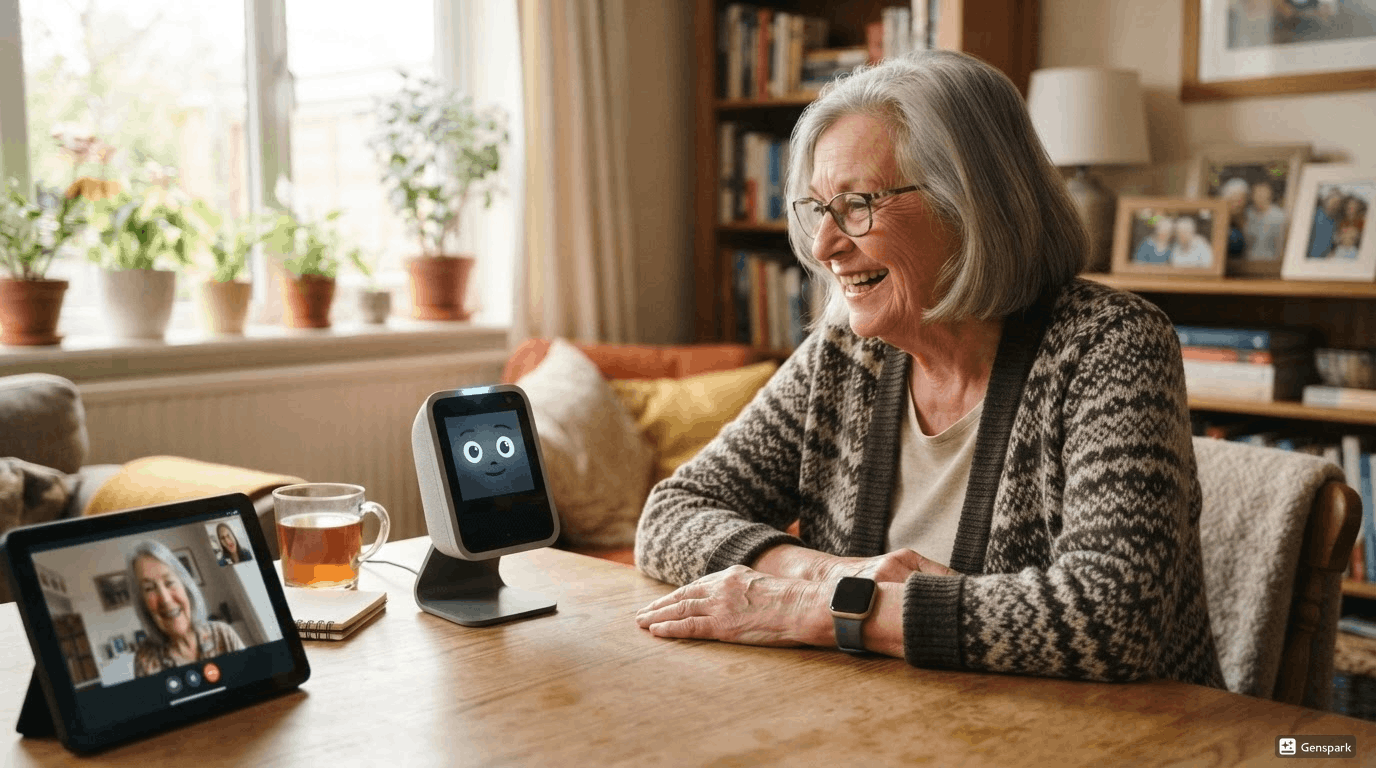
Artificial intelligence is no longer a technology reserved for businesses or computer experts. Today, Artificial Intelligence for Seniors is transforming everyday life by making common tasks faster, simpler, and more enjoyable. Whether you want to organise your schedule, communicate with loved ones, explore a new hobby, or learn something new, AI can become a helpful companion. The best part is that most modern AI tools are designed to be easy to use, even for people with limited technology experience.
Many older adults already interact with artificial intelligence every day without noticing it. Voice assistants answer questions, navigation apps recommend faster routes, and streaming platforms suggest films based on viewing habits. In 2026, these technologies have become even more intuitive, allowing seniors to complete tasks using natural conversations instead of complicated menus or commands. As a result, artificial intelligence is becoming an essential part of independent living.
Learning to use AI does not require programming knowledge or expensive equipment. Instead, it begins with simple questions and everyday situations. Over time, those small interactions build confidence and open the door to even more possibilities. Consequently, seniors can enjoy the convenience of modern technology without feeling overwhelmed.
Making Everyday Communication Easier
Staying connected with family and friends has never been more important. Fortunately, artificial intelligence makes communication simpler while reducing the stress of writing or organising messages.
Many AI tools can help write emails, birthday greetings, thank-you notes, and holiday messages. Instead of struggling to find the right words, you can describe what you want to say, and the AI will create a polished version for you. Afterwards, you can personalise the message to make it sound even more like your own voice.
In addition, AI can improve grammar and spelling without changing the meaning of your message. This feature gives many seniors extra confidence when communicating online. Likewise, translation tools powered by AI make it easier to communicate with relatives or friends who speak different languages.
Voice-to-text technology also continues to improve. Rather than typing on a small keyboard, you can simply speak naturally while the AI converts your words into written text. This feature is especially useful for anyone with arthritis or reduced hand mobility.
Video calls also benefit from artificial intelligence. Some platforms now reduce background noise, improve lighting automatically, and generate live captions, making conversations easier to follow.
Planning Daily Activities With Less Stress
Organisation becomes much easier when artificial intelligence helps manage everyday responsibilities. Instead of relying entirely on memory, seniors can use AI to create schedules, reminders, and personalised plans.
For example, AI can organise appointments, suggest the best times to complete errands, and create shopping lists based on recipes for the week. It can even recommend efficient routes that reduce travel time between destinations.
Meal planning has become another popular use. By entering dietary preferences and available ingredients, users receive complete meal suggestions along with shopping lists. Consequently, preparing healthy meals becomes less time-consuming and far more enjoyable.
Artificial intelligence can also assist with travel planning. Whether arranging a weekend getaway or an extended holiday, AI helps compare destinations, recommend attractions, estimate travel times, and create detailed itineraries.
Many people also use AI to organise household chores. It can create weekly cleaning schedules, remind users about maintenance tasks, and suggest seasonal home care checklists. Therefore, staying organised requires less effort than ever before.
Learning New Skills at Any Age
Retirement provides an excellent opportunity to explore interests that may have been postponed during working years. Artificial Intelligence for Seniors makes lifelong learning easier by providing clear explanations and personalised guidance.
Instead of reading lengthy technical articles, users can ask questions in plain language and receive simple answers. If something remains confusing, they can continue the conversation until everything becomes clear. This interactive learning experience makes education much more approachable.
Many seniors enjoy using AI to learn about gardening, cooking, photography, golf, history, art, and personal finance. Others explore new languages or improve computer skills at their own pace. Because artificial intelligence adapts to individual learning styles, it creates a comfortable environment where curiosity naturally grows.
Creative hobbies also benefit from AI assistance. It can suggest knitting patterns, provide painting ideas, recommend books, or help write memoirs about family history. As a result, many older adults discover new passions while preserving cherished memories.
Furthermore, AI can summarise complex books, explain current events, and recommend trusted educational resources. Therefore, learning becomes an enjoyable daily habit rather than an intimidating challenge.
Supporting Health and Wellness
Artificial intelligence is becoming an increasingly valuable educational tool for maintaining overall wellbeing. Although it should never replace healthcare professionals, it can help seniors become better informed before medical appointments.
Users can ask AI to explain medical terminology in simple language, summarise health articles, or suggest questions to discuss with their doctor. Consequently, appointments often become more productive because patients understand their concerns more clearly.
Medication reminders represent another practical benefit. AI-powered assistants can create personalised reminder schedules that reduce the chance of forgetting important medicines. Likewise, calendar notifications help users remember upcoming appointments and regular health check-ups.
Nutrition also becomes easier to manage. Artificial intelligence can recommend balanced meals, calculate nutritional information, and suggest healthier alternatives based on dietary preferences. Combined with gentle exercise planning, these recommendations encourage healthier daily habits.
Mental wellbeing deserves equal attention. Many seniors use AI for guided relaxation exercises, journaling prompts, breathing techniques, or mindfulness activities. While these tools do not replace professional support, they can contribute positively to emotional wellness.
Managing Personal Finances More Confidently
Financial management often becomes simpler with AI-powered assistance. Rather than replacing financial advisers, artificial intelligence helps users understand information and organise everyday money matters.
AI can create monthly budgets, explain financial terminology, compare products, and categorise household expenses. As a result, seniors gain a clearer picture of where their money goes each month.
Many people also use AI to compare insurance policies, analyse subscription services, and identify opportunities to reduce unnecessary spending. Because the information is presented clearly, financial decisions become easier to understand.
However, important investment decisions should always be verified through qualified financial professionals. Artificial intelligence serves best as an educational assistant rather than a replacement for expert advice.
Scam awareness is another valuable feature. AI can explain common fraud tactics, identify suspicious messages, and provide practical online safety tips. Consequently, users become more confident recognising potential scams before responding.
Enjoying More Entertainment and Creativity
Technology should make life more enjoyable, and artificial intelligence certainly delivers in this area. Seniors can use AI to discover films, television programmes, music, podcasts, and books based on their interests.
Reading enthusiasts often ask for recommendations similar to favourite authors. Music lovers receive personalised playlists that introduce both classic and modern artists. Meanwhile, film enthusiasts discover hidden gems they may never have found independently.
Artificial intelligence also supports creative writing. Users can write poems, family stories, speeches, or personal memoirs with helpful suggestions along the way. Rather than replacing creativity, AI encourages it by overcoming writer’s block and generating fresh ideas.
Games provide another enjoyable opportunity. AI can generate quizzes, crossword puzzles, trivia challenges, and brain-training exercises that help keep the mind active. Additionally, many educational games now adapt their difficulty based on individual progress.
Photography enthusiasts can use AI to organise photo collections, improve image quality, and create digital albums for family members. Consequently, preserving precious memories becomes much easier.
Building Confidence With Technology
Many seniors hesitate to try new technology because they fear making mistakes. Fortunately, artificial intelligence encourages experimentation rather than perfection.
The best way to begin is by asking simple questions every day. Request a recipe, check tomorrow’s weather, ask for gardening advice, or learn about a historical event. These short conversations quickly demonstrate how helpful AI can be.
As confidence grows, users naturally explore more advanced features. They begin planning holidays, writing longer documents, organising calendars, and learning entirely new skills. Each successful interaction builds familiarity while reducing anxiety about technology.
Importantly, artificial intelligence allows users to ask follow-up questions whenever necessary. If an answer seems confusing, simply ask for a simpler explanation. This flexibility removes much of the pressure associated with learning unfamiliar software.
Regular practice also makes a significant difference. Spending just a few minutes each day using AI gradually transforms uncertainty into confidence. Before long, many seniors wonder how they managed everyday tasks without it.
Looking Ahead to the Future
Artificial intelligence will continue evolving over the coming years, becoming even more accessible and useful for older adults. Voice assistants will understand conversations more naturally, smart home devices will become increasingly intuitive, and personalised digital assistants will provide even greater support.
These improvements are expected to focus heavily on accessibility. Larger text, clearer speech recognition, improved hearing support, and simplified interfaces will ensure that technology remains inclusive for users of all abilities.
Most importantly, artificial intelligence will continue supporting independence rather than replacing human interaction. Family, friends, healthcare professionals, and community organisations will always play vital roles. AI simply provides additional assistance that makes everyday living easier and more enjoyable.
By embracing technology one step at a time, seniors can confidently participate in the digital world while continuing to learn, connect, and thrive.
Embracing Everyday AI With Confidence
Artificial intelligence is no longer a distant innovation. It has become a practical tool that helps older adults simplify everyday life while opening new opportunities for learning, communication, and independence. From organising appointments and writing emails to exploring hobbies and improving wellbeing, the possibilities continue growing every year.
As Artificial Intelligence for Seniors becomes more accessible, there has never been a better time to start exploring its benefits. You do not need to become a technology expert or master every feature immediately. Instead, begin with one simple task, build confidence through regular practice, and gradually discover new ways AI can support your lifestyle. Every small success strengthens your digital skills and demonstrates that learning truly has no age limit.
FAQ
1. What can artificial intelligence help older adults do every day?
Artificial intelligence can assist with communication, planning, learning, entertainment, health education, budgeting, and staying organised.
2. Do I need advanced computer skills to use AI tools?
No. Most modern AI applications are designed for beginners and use simple, conversational language.
3. Can AI replace doctors or financial advisers?
No. AI should provide educational support and general guidance, but important decisions should always involve qualified professionals.
4. Is using artificial intelligence safe online?
Yes, when you use trusted platforms, protect personal information, and remain cautious about online scams and suspicious messages.
5. What is the easiest way to start using AI?
Begin by asking simple everyday questions, practise regularly, and gradually explore additional features as your confidence grows.